

Every traveler knows the success of a Lowcountry adventure depends on being ready for unpredictable coastal weather and changing conditions. Packing for a fishing or boating trip in places like Charleston, Beaufort, or Georgetown means preparing for heat, humidity, sudden storms, and unique water challenges. This guide breaks down how to match your gear to local conditions, prioritize the right clothing, and choose the must-have accessories that make your time outdoors safer and more enjoyable.
Quick Summary
| Key Insight | Explanation |
|---|---|
| 1. Know Your Activities First | Research your planned activities to determine the essential clothing and gear for your trip to the Lowcountry. |
| 2. Check Weather Patterns | Review typical weather and marine conditions for your trip dates to pack appropriate clothing for humidity, temperature, and rain. |
| 3. Use Performance Clothing | Choose moisture-wicking and quick-drying fabrics instead of cotton to stay comfortable during outdoor activities in humid conditions. |
| 4. Pack Essential Accessories | Include a first aid kit, sun protection, and navigation tools to address specific challenges faced during your activities. |
| 5. Verify Packing Completeness | Use a comprehensive checklist to ensure you haven’t forgotten any crucial items that could affect your safety and comfort. |
Step 1: Assess Lowcountry Activities and Weather
Before you pack a single item, you need to know what you’re actually doing in the Lowcountry and what weather you’ll face. Your packing list changes dramatically depending on whether you’re fishing in salt marshes, boating on tidal rivers, or exploring coastal beaches. Getting this right saves you from overpacking and ensures you have what you truly need.
Start by researching the specific dates of your trip and check current and forecast marine conditions to understand tides, winds, and water temperature. The Lowcountry’s coastal weather shifts seasonally, but humidity and afternoon thunderstorms are constants year-round. Summer brings intense heat and sudden storms, while fall and spring offer milder temperatures perfect for extended outdoor time.
Next, identify your primary activities. Are you planning boating excursions, fishing trips, kayaking through salt marshes, or beach days? Each activity demands different gear. Fishing requires water-resistant clothing and tackle storage, while boating means you need layers that dry quickly and grip well when wet. Families exploring creeks need sun protection more than anglers working dawn waters.
Know your exact activities before packing—this single step prevents taking unnecessary items and leaves room for gear you actually use.
Consider your group’s experience level and comfort with water. Experienced boaters handle rough conditions differently than first-timers. Families with young children need different protection and safety gear than seasoned anglers. Your group’s skills directly influence what clothing and safety equipment you should bring.
Check the typical weather patterns for your travel dates:
Summarizing seasonal Lowcountry weather factors and packing priorities:
| Season | Typical High (°F) | Common Weather Challenges | Packing Focus |
|---|---|---|---|
| Summer | 85–95 | High humidity, storms | Sun, storm protection |
| Fall | 70–85 | Milder, possible storms | Layers, UPF clothing |
| Winter | 50–65 | Cooler, occasional cold snaps | Insulating layers |
| Spring | 65–80 | Unpredictable, rising humidity | Versatile gear, rain shell |
- Summer (June-August): 85-95°F, high humidity, afternoon thunderstorms
- Fall (September-November): 70-85°F, mild humidity, occasional tropical systems
- Winter (December-February): 50-65°F, lower humidity, rare cold snaps
- Spring (March-May): 65-80°F, increasing humidity, variable conditions
Visit the National Weather Service for detailed forecasts specific to your destination within the Lowcountry. Don’t just check the temperature—read the wind speed, UV index, and precipitation probability. Strong winds affect boating comfort, UV intensity requires serious sun protection, and rain forecasts determine waterproof gear needs.
Finally, talk to locals or outfitters in your specific area. Charleston’s beach conditions differ from Beaufort’s river conditions, and Georgetown’s estuaries have their own characteristics. Local knowledge about water temperature, current conditions, and typical weather surprises saves you from learning the hard way.
Pro tip: Set phone reminders to check updated weather and marine conditions the night before and the morning of water activities—coastal conditions change quickly, and your gear choices might shift based on overnight forecasts.
Step 2: Select Coastal Performance Clothing and Gear
Now that you know what you’re doing and what weather awaits, it’s time to choose clothing and gear that actually works in the Lowcountry environment. Regular cotton clothes absorb sweat and water, leaving you uncomfortable and cold. Performance gear dries quickly, breathes properly, and handles salt water without degrading.
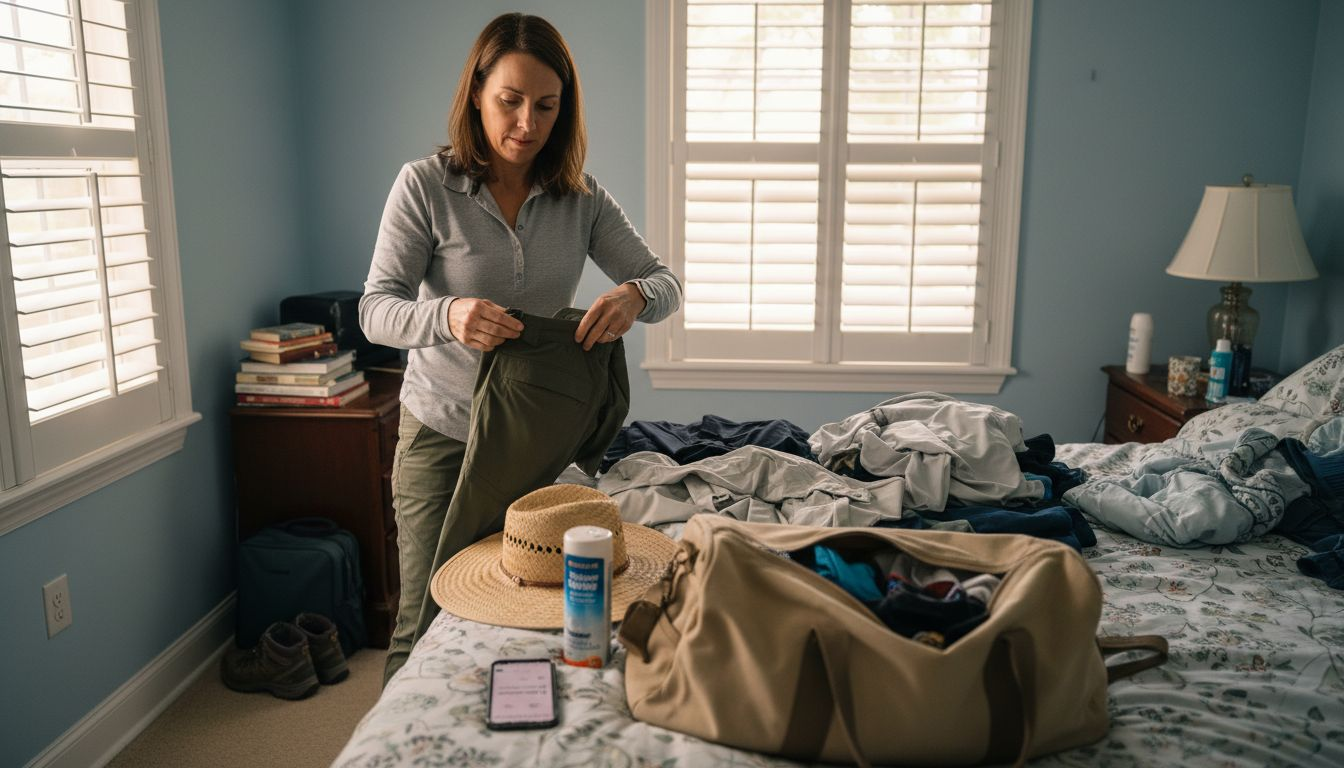
Start with your base layer. Choose lightweight, moisture-wicking fabrics that pull sweat away from your skin. Cotton is your enemy in humid conditions—reach for polyester blends or merino wool instead. If you’re boating or fishing, lightweight long-sleeve performance shirts provide sun protection while allowing airflow and quick drying when you accidentally get splashed.
Add a second layer for sun and wind protection. A breathable windbreaker or lightweight jacket prevents UV damage without trapping heat. Look for fabrics with UPF ratings of 50+ to block harmful rays during long days on the water.
The difference between suffering through a Lowcountry day and enjoying it often comes down to choosing the right first layer.
For bottom wear, select quick-dry shorts or pants made from performance fabrics. Avoid heavy denim or canvas that stays wet for hours. Khaki or neutral-colored performance pants work for fishing and boating, while shorts work better for casual beach exploration and kayaking.
Consider these essential pieces for your trip:
- Moisture-wicking socks that dry quickly
- A lightweight hat or visor with UPF protection
- Polarized sunglasses to reduce water glare
- Water-resistant jacket for afternoon storms
- Footwear that drains water and grips wet surfaces
- A rash guard if you plan swimming
For specific activities, add specialized gear. Boaters need shoes with excellent grip on wet decks. Fishermen benefit from performance camouflage shirts designed for stealth in marsh environments. Families exploring beaches should grab durable beach totes to carry sunscreen, towels, and essentials without salt water ruining everything.
Check the fit and movement before you pack. Wear your clothes around your house to ensure they don’t chafe during repetitive motions like paddling or casting. Comfort matters more than style when you’re spending hours on the water.
Here’s a quick reference comparing Lowcountry trip needs by activity type:
| Activity Type | Key Clothing Features | Essential Accessories |
|---|---|---|
| Boating | Quick-drying layers, grippy shoes | Emergency whistle, dry bag |
| Fishing | Water-resistant shirts, sun gloves | Polarized sunglasses, tackle storage |
| Kayaking | Rash guard, shorts, sun hat | Waterproof phone case, headlamp |
| Beach Exploration | Lightweight cover-up, sun hat | Shade tent, large towel |
| Family Creeks/Marsh | Breathable shirts, kids’ UPF gear | Extra snacks, insect repellent |
Pro tip: Pack your clothing and gear in separate zippered bags by activity type—boating clothes, fishing clothes, beach clothes—so you can grab exactly what you need each day without digging through your entire suitcase.
Step 3: Gather Essential Accessories and Outdoor Tools
Accessories and tools separate a tolerable Lowcountry trip from a genuinely comfortable one. These items handle practical challenges like sun exposure, insect bites, navigation, and emergency situations. Missing even one key accessory can turn a great day miserable.
Start with sun and insect protection. Sunscreen with SPF 30+ is non-negotiable, especially near water where UV rays reflect intensely. Pack a stick sunscreen for your face and ears, which stay exposed during fishing or boating. Insect repellent keeps mosquitoes and salt marsh bugs from ruining your experience, particularly during dawn and dusk hours when they’re most active.
Add a reliable headlamp or flashlight. Early morning fishing trips and evening explorations require hands-free lighting. Headlamps are superior to handheld flashlights because they keep your hands free for navigating creeks or handling tackle.
The right tools turn challenging moments into manageable ones—pack items that solve real problems, not just nice-to-haves.
Carry a basic first aid kit with bandages, antibiotic ointment, pain relievers, and any personal medications. Lowcountry activities involve sharp shells, oyster knives, and potential cuts from fishing hooks. A small kit prevents minor injuries from becoming trip-ruining complications.
Include these must-have accessories:
- A multi-tool or knife for rope, packaging, and emergency repairs
- Waterproof bag or dry case for phones and valuables
- Hat or visor for additional sun protection
- Lightweight towels that dry quickly
- Cooler with ice packs for drinks and food
- Waterproof matches or lighter in a sealed container
- Emergency whistle for water activities
For boating and fishing, specialized tools matter. Bring essential backpacking accessories like navigation tools and water-safe containers. If you’re planning oyster shucking or seafood preparation at your accommodation, consider portable cutting tools designed for coastal entertaining.
Consider activity-specific gear as well. Kayakers benefit from a dry bag for storing essentials. Beach families need shade solutions like pop-up tents. Fishing enthusiasts should pack a tackle box with organized compartments. Additional tailgating and coastal cooking tools can enhance meals if you’re preparing fresh catches.
Organize everything into a waterproof container or backpack with compartments. Group accessories by purpose—sun protection together, first aid separate, tools in one pouch. This system prevents frantic searching when you need something quickly.
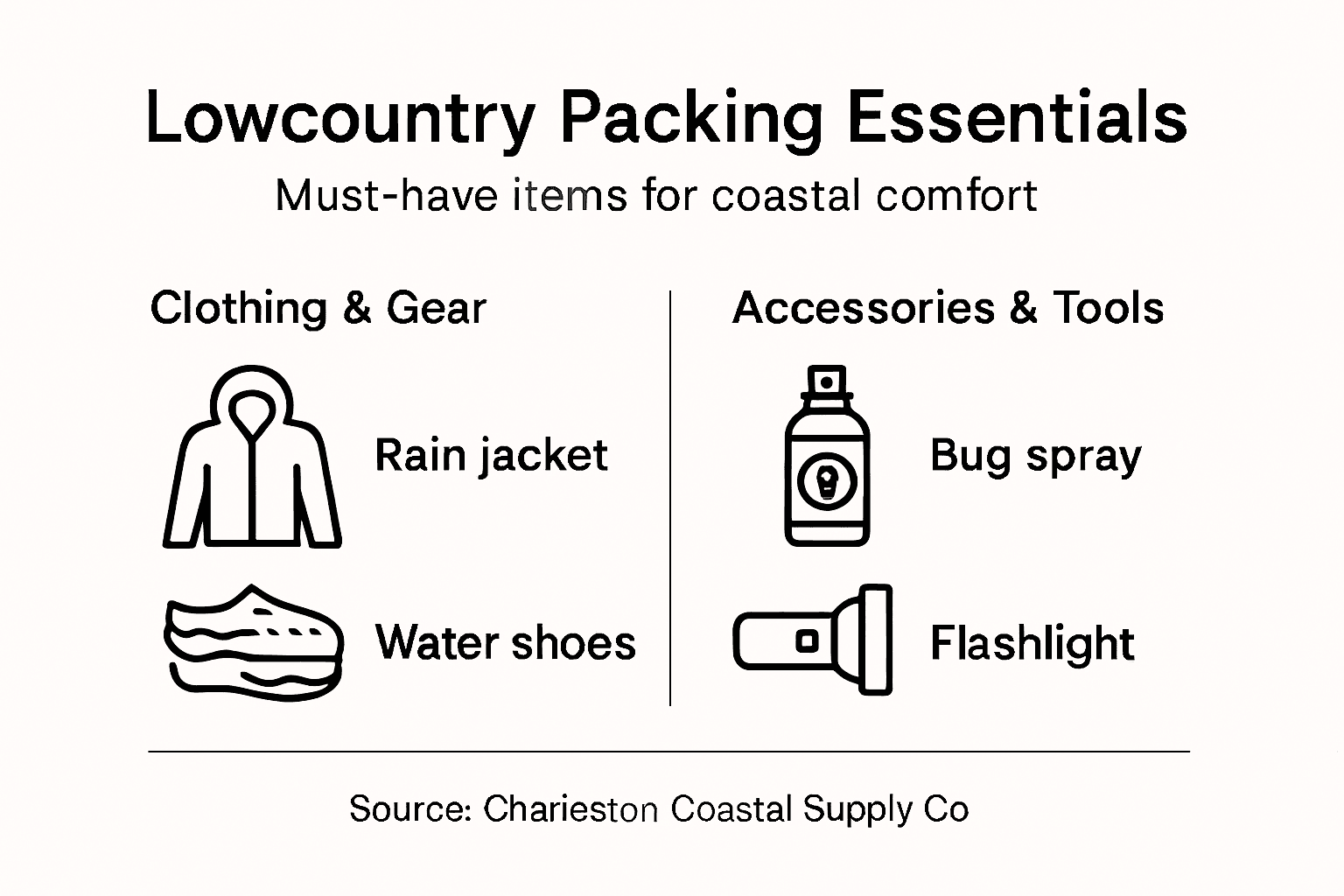
Pro tip: Keep a small “emergency kit” separate from your main accessories with a whistle, first aid basics, and a waterproof emergency contact card—attach it to your life jacket or boating bag for quick access during water activities.
Step 4: Verify Packing Completeness for Safety and Comfort
You’ve selected your clothing, gathered accessories, and organized your gear. Now comes the critical step of verifying nothing essential got overlooked. A forgotten item on your packing list can create safety risks or rob you of comfort during your Lowcountry adventure.
Start by using a comprehensive checklist. Review the U.S. National Park Service’s ten essentials framework which covers navigation, sun protection, first aid, fire, shelter, extra supplies, repair kits, nutrition, hydration, and emergency communication. These categories apply directly to Lowcountry trips, whether you’re boating, fishing, or exploring marshes.
Next, organize your packing in stages. Lay out everything you plan to bring on your bed or living room floor. This visual verification catches duplicates and gaps immediately. You’ll quickly spot if you’ve packed three pairs of sunglasses but forgot a rain jacket.
Missing one item ruins the day; checking everything twice prevents that frustration entirely.
Walk through your activity-specific needs systematically. For boating trips, verify you have water-appropriate footwear, life jackets, communication devices, and emergency signaling tools. Fishing requires tackle organization, rod protection, and waterproof storage. Beach days need shade solutions, sunscreen reapplication supplies, and secure valuable storage.
Use this essential categories checklist:
- Water and hydration systems
- Food and energy snacks
- Navigation tools and maps
- Communication devices and chargers
- Sun and weather protection
- First aid and medications
- Emergency shelter and repair kits
- Extra clothing and socks
- Lighting for early morning or evening
- Backup items for critical gear
Check your luggage capacity and weight. Overstuffing prevents items from being accessible when needed, and excess weight creates physical strain. Verify zippers close completely and compartments seal properly. Test that waterproof bags actually keep contents dry by doing a quick water test before departure.
Review updated gear checklists for variable weather and terrain considerations. Lowcountry conditions shift rapidly between tidal flats, open water, and marsh environments. Your checklist should address sudden weather changes and diverse landscape challenges.
Finally, do a final electronics check. Charge all devices, test that they power on, and verify headlamp batteries work. Pack charging cables and backup power banks in waterproof containers. Dead electronics during water activities create safety and communication problems.
Pro tip: Take a photo of your complete packing list laid out on your bed, then photograph your packed luggage showing all compartments open—these visual references help you remember what you brought and make repacking after day activities much faster.
Gear Up Right for Your Lowcountry Adventure with Charleston Coastal Supply Co
Packing for a Lowcountry trip means facing unique challenges like sudden storms, high humidity, and activity-specific gear needs. The article highlights key concepts such as performance clothing that dries quickly, reliable sun protection, and specialized accessories for fishing, boating, and beach exploration. If you want to avoid discomfort from ordinary fabrics or missing essential tools during your coastal outings, curated gear designed exactly for the Lowcountry lifestyle is essential.
Discover the perfect blend of functionality and authentic coastal style with our OYSTAFLAGE Collection - Outdoor Clothing & Gear for the Lowcountry Lifestyle.
Don’t let your packing list limit your adventure. Shop our Coastal Lifestyle Collection | Beach, Oyster & Charleston Inspired Gear for sun-smart hats, durable beach totes, and essential outdoor tools crafted with Lowcountry expertise. Prepare now and take the guesswork out of packing by visiting Charleston Coastal Supply Co. Your next unforgettable Lowcountry trip starts with gear made to keep you comfortable, protected, and connected to the coastal traditions you love.
Frequently Asked Questions
How do I assess the weather before packing for a Lowcountry trip?
Check the current and forecast marine conditions to understand tides, winds, and water temperatures. Research your travel dates to get familiar with typical weather patterns, such as humidity and storm chances, to pack appropriately for your activities.
What specific clothing do I need for different Lowcountry activities?
Select clothing based on your planned activities. For boating, choose quick-drying layers and water-resistant shoes; for fishing, focus on sun protection and moisture-wicking fabrics; and for beach exploration, lightweight cover-ups are ideal to keep comfortable.
How can I ensure I don’t overpack for my Lowcountry trip?
Identify your main activities and create a packing list based on that. By knowing what you’ll be doing, you can avoid unnecessary items and pack specifically for your experiences, limiting your luggage to essentials.
What accessories are crucial for a comfortable day outdoors in the Lowcountry?
Essential accessories include sunscreen, insect repellent, and a reliable flashlight or headlamp. Gather these items to protect yourself from sun and bugs, and ensure you have visibility in low-light conditions, especially for early morning or evening activities.
How do I verify that I have packed everything I need for a Lowcountry trip?
Use a comprehensive checklist covering categories like navigation, sun protection, first aid, and food supplies. Lay out your items before packing to visually confirm everything is accounted for, reducing the likelihood of forgetting crucial gear.
What common mistakes should I avoid when packing for a Lowcountry trip?
Avoid packing cotton clothing, as it traps moisture and can make you uncomfortable. Instead, focus on performance fabrics that dry quickly. Additionally, ensure you are aware of the local weather, as unexpected changes can require immediate adjustments to your packing strategy.
Recommended
- Coastal Lifestyle in Charleston: Embrace the Allure of Lowcountry Living – Charleston Coastal Supply Co
- Charleston Coastal Supply Co: Gear That Earns Its Spot | Practical Coastal Living
- Discover Charleston Outdoor Adventures: Top Tips for Outdoor Fun – Charleston Coastal Supply Co
- Lowcountry Fishing: Discover the Rich Heritage and Vibrant Ecosystem – Charleston Coastal Supply Co


