

The Seafood Boil Ingredients List for a Coastal Gathering
Crafting the Perfect Lowcountry Boil
A seafood boil is more than just a meal; it's a cherished social event, a cornerstone of the saltwater lifestyle that defines coastal communities. From the shores of Louisiana to the heart of the Lowcountry, the tradition of gathering around a steaming pot of seasoned shellfish, sausage, and vegetables represents a celebration of local bounty and communal joy. This culinary ritual, deeply ingrained in our culture, turns a simple dinner into a memorable experience, perfect for long summer evenings and family get-togethers.
At Charleston Coastal Supply Co, we believe in embracing the authentic traditions that make our region unique. A Lowcountry boil is a quintessential part of that identity, a feast that captures the very essence of coastal living. Preparing one may seem daunting, but with a well-organized seafood boil ingredients list, it becomes a straightforward and enjoyable process. This guide will walk you through every essential component, from selecting the freshest seafood to creating the perfect dipping sauce, ensuring your next boil is a resounding success.
The Star of the Show: Selecting Your Seafood
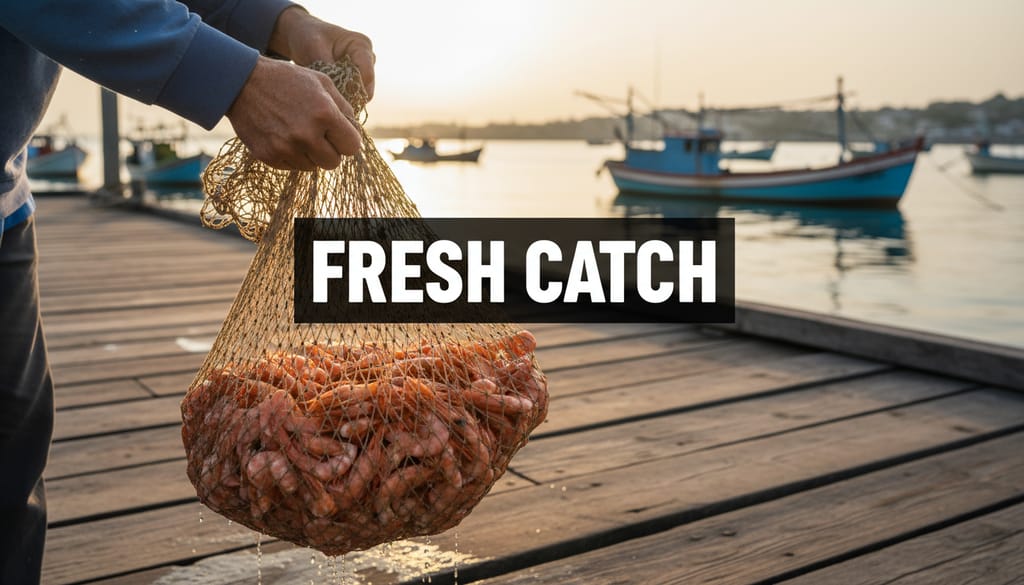
The foundation of any great seafood boil is, unsurprisingly, the seafood itself. The quality and type of shellfish you choose will define the character of your meal. While recipes vary by region, a classic Lowcountry boil typically contains a few key players. The freshness of these ingredients is paramount, as it directly impacts the flavor and texture of the final dish.
Core Seafood Components
When people ask what seafood boils contain, the answer usually starts with shrimp. Large, head-on shrimp are a popular choice as they soak up the seasoned broth beautifully and offer a sweet, succulent bite. For a truly authentic experience, sourcing local shrimp from the Atlantic is ideal. Look for firm, translucent shrimp without any ammonia-like smell.
Crabs are another quintessential ingredient, especially in a crab boil. Blue crabs are the go-to in the Charleston area, offering sweet, delicate meat. You can use whole live crabs or pre-cleaned crab clusters. If using live crabs, ensure you handle and clean them properly before adding them to the pot. Other options include Dungeness or snow crab legs, which are less work and equally delicious.
Crawfish, or "mudbugs," are the star of a Louisiana-style boil but are also a fantastic addition to any seafood feast. They have a unique flavor that's a cross between shrimp and lobster. Like crabs, they are often boiled live, so proper handling is essential.
Beyond these staples, you can also incorporate clams or mussels. These bivalves add a briny depth to the broth and cook quickly, making them an easy and flavorful addition. No matter your choice, the key is to source the highest quality seafood available to you. Building relationships with local fishmongers can ensure you always get the best of the day's catch, elevating your boil from good to unforgettable. The quality of your gear is just as important, and while we're known for our specialized oyster cookers, a large, heavy-duty pot from Charleston Coastal Supply Co is the perfect vessel for bringing these ingredients together.
Hearty and Flavorful: Essential Vegetables
The vegetables in a seafood boil do more than just add bulk; they absorb the complex flavors of the seasoned broth, becoming tender, savory treasures in their own right. The classic trio of potatoes, corn, and onions forms the hearty backbone of the meal, providing a perfect balance to the richness of the seafood and sausage.
The Classic Vegetable Trio
Small, new red potatoes are the ideal choice. Their waxy texture helps them hold their shape even after prolonged simmering, preventing them from turning to mush. They become creamy and infused with the spicy, savory flavors of the boil. Before adding them to the pot, give them a good scrub and leave the skins on for a more rustic feel and better texture.
Sweet corn on the cob is another non-negotiable ingredient. Its natural sweetness provides a delightful contrast to the salt and spice of the broth. Typically, the cobs are shucked and broken in half to make them easier to handle and serve. The kernels become plump and juicy, bursting with a combination of their own sweetness and the surrounding seasonings.
Onions are the aromatic foundation. Yellow or white onions are quartered and added early in the cooking process. They soften and sweeten as they cook, releasing their flavor into the liquid and becoming tender morsels that melt in your mouth. They are a crucial component for building a deep, aromatic broth.
These vegetables are the workhorses of the boil, and their preparation is simple. The main consideration is timing—potatoes and onions go in first, as they take the longest to cook, while the corn is added later to prevent it from becoming overcooked and tough. A large, high-quality stockpot, like those curated by Charleston Coastal Supply Co, ensures even heat distribution for perfectly cooked vegetables every time.
The Soul of the Boil: Sausage Varieties
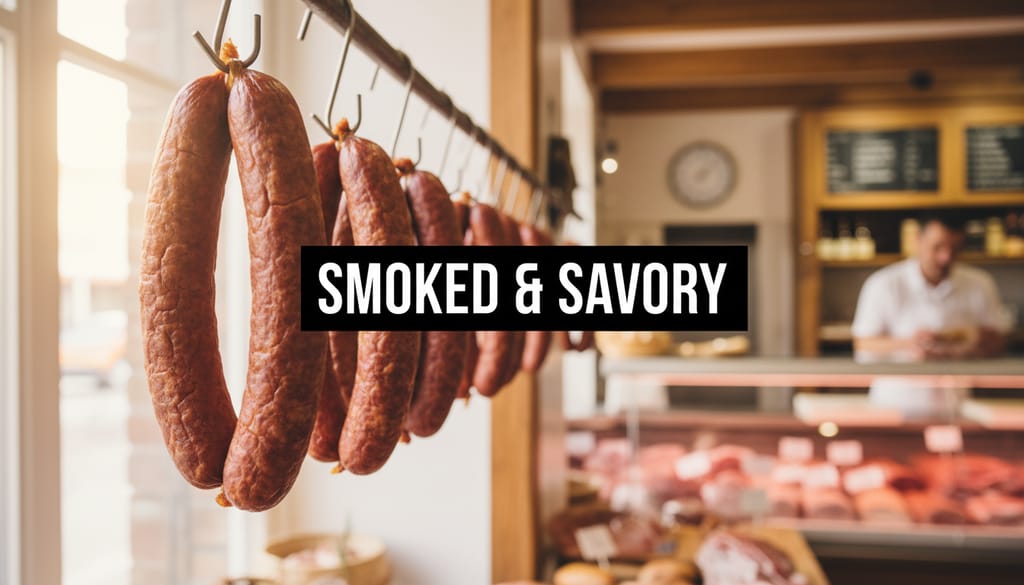
While seafood is the main event, the sausage is the soul of the boil. It introduces a smoky, savory, and often spicy element that permeates the entire pot. The fat rendered from the sausage enriches the broth, adding a layer of complexity that complements the briny sweetness of the shellfish. Choosing the right sausage is a key step in defining the flavor profile of your boil.
Choosing Your Sausage
The most traditional choice for a Lowcountry or Cajun-style boil is Andouille sausage. This is a coarse-grained, heavily smoked pork sausage that originated in France and was perfected by Cajun artisans in Louisiana. It's known for its robust, spicy flavor, which can range from mildly piquant to fiery hot. Andouille holds its firm texture well during the long simmer, ensuring it doesn't fall apart in the pot.
If you prefer a milder flavor or cannot find Andouille, Kielbasa is an excellent alternative. This Polish sausage is also smoked but is typically less spicy, with a more pronounced garlic and marjoram flavor. It's a crowd-pleasing option that still provides the necessary smoky depth without overwhelming the other ingredients.
Other smoked sausages can also work well. Look for any high-quality, fully cooked smoked sausage that has a firm texture. The key is to use a sausage that will contribute a significant amount of flavor to the broth. The sausage should be cut into 1- to 2-inch thick rounds before being added to the pot. This allows it to release its flavor while remaining in satisfying, bite-sized pieces. The inclusion of sausage is a hallmark of seafood traditions in the American South, transforming a simple pot of shellfish into a complete and hearty meal.
Building the Aromatic Broth: Seasonings and Spices
To answer the common question, "What seasoning do I need for a seafood boil?"—this is where the magic truly happens. The seasoning blend is what transforms a simple pot of water into a flavorful, aromatic broth that infuses every ingredient with its signature taste. You can use a pre-made blend or create your own for a more personalized touch. This is central to the culinary heritage of Historic Charleston.
Pre-Made vs. DIY Blends
For convenience and consistency, many cooks rely on commercial seafood boil seasonings. Brands like Zatarain's Pro Boil or Old Bay Seasoning are classics for a reason. They offer a balanced mix of spices in one easy package. Zatarain's often comes in a boil-in-bag format, containing a potent blend of mustard seed, coriander, cayenne pepper, bay leaves, and allspice. Old Bay is a finer powder with a celery salt, paprika, and black pepper base that's iconic in Mid-Atlantic seafood cooking.
Creating your own seasoning blend allows you to control the heat and flavor profile. A basic DIY seafood boil seasoning mix includes:
- Bay leaves
- Whole black peppercorns
- Celery seeds
- Yellow mustard seeds
- Whole allspice berries
- Coriander seeds
- Crushed red pepper flakes
- Paprika (smoked or sweet)
- Cayenne pepper
Don't forget the salt! A significant amount of salt is needed to properly season the large volume of water. The goal is to make the water taste as salty as the sea. This ensures every ingredient, from the potatoes to the shrimp, is seasoned from the inside out. Experimenting with your own spice blend can become a signature part of your boil, a secret recipe passed down through generations.
The Flavor Base: Liquids and Aromatics
Beyond the dry seasonings, the liquid and fresh aromatics you add to the pot create the foundational flavor base. While water is the most common liquid, other choices can add significant depth and complexity to your boil. This is a crucial step in building the layered flavors that make a seafood boil so irresistible.
Liquids and Fresh Ingredients
The simplest base is water, seasoned heavily with your spice blend and salt. However, many recipes call for a combination of water and beer. A light American lager adds a subtle malty note that complements the seafood and spices. Avoid dark or hoppy beers, as their strong flavors can overpower the delicate shellfish.
Fresh aromatics are just as important as the dry spices. Lemons are essential; slice them in half and squeeze the juice into the pot before tossing in the rinds. The bright acidity cuts through the richness and brightens all the flavors. Whole heads of garlic, sliced in half horizontally, are another key addition. They soften as they cook, infusing the broth with a sweet, mellow garlic flavor. The cloves can be squeezed out of their skins and eaten alongside the other ingredients. Quartered onions, as mentioned with the vegetables, also serve as a primary aromatic, building a savory foundation for the broth. Together, these elements create a fragrant, flavorful liquid that is the heart of the boil, a true celebration of outdoor living and communal dining.
Finishing Touches: The Dipping Sauce
Once all the perfectly cooked ingredients are strained from the pot and piled high on a newspaper-lined table, the final touch is the sauce. A rich, flavorful dipping sauce elevates the entire experience, allowing each guest to customize their bites. While some may be content with the flavor from the boil itself, a great sauce is a game-changer.
The most popular question after the boil itself is, "What are the ingredients for a seafood boil sauce?" The classic answer is a garlic butter sauce. This simple yet decadent sauce is the perfect accompaniment. To make it, you'll need:
- Unsalted Butter: A generous amount, melted.
- Garlic: Finely minced fresh garlic.
- Seasoning: A spoonful of the same seafood boil seasoning used in the pot, or a Cajun/Creole blend.
- Lemon Juice: Freshly squeezed for brightness.
- Herbs: Chopped fresh parsley adds color and a clean flavor.
- Heat (Optional): A dash of hot sauce or a pinch of cayenne pepper.
Simply melt the butter and whisk in the other ingredients. Serve it warm in individual ramekins for dipping. The rich butter clings to the seafood and vegetables, amplifying their flavor with garlic, spice, and citrus. Other popular options include classic cocktail sauce, tangy remoulade, or simply extra lemon wedges for squeezing. Providing a few sauce options caters to all tastes and completes the feast, making your waterfront living gathering one to remember.
Optional, But Recommended: Delicious Add-ins
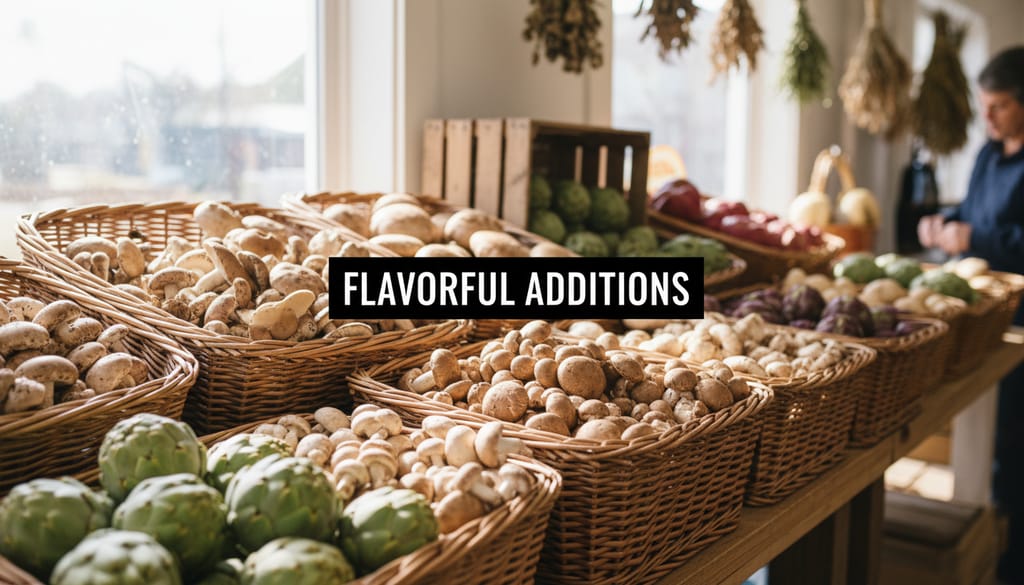
While the classic ingredients form the core of a traditional seafood boil, there's always room for creativity. Adding a few non-traditional items can introduce new textures and flavors, making your boil uniquely yours. These additions can be a great way to use seasonal produce or cater to the specific tastes of your guests.
Creative Ingredient Ideas
Mushrooms: Whole button or cremini mushrooms are a fantastic addition. They act like sponges, soaking up the seasoned broth and becoming incredibly flavorful. Add them in the last 10-15 minutes of cooking so they become tender but not mushy.
Artichokes: Whole or halved artichokes can be added along with the potatoes. They absorb the boil's flavor, and the tender leaves can be dipped in the garlic butter sauce, adding an interactive and delicious element to the meal.
Hard-Boiled Eggs: This might sound unusual, but it's a beloved addition in many parts of the South. The eggs are added in the final few minutes of cooking, just long enough to warm through. The yolks become creamy and are delicious when mashed into the garlic butter sauce. The coastal flora and fauna provide the main ingredients, but these additions from the farm add a wonderful contrast.
Brussels Sprouts: For a green vegetable option, Brussels sprouts hold up well to boiling and their slightly bitter flavor is a nice counterpoint to the sweetness of the corn and seafood. Add them in the last 10 minutes. These additions reflect the spirit of the boil: a versatile, communal meal meant to be shared and adapted. Even the nautical motifs on your serving platters can be part of the fun.
Ingredient Timing and Ratios: A Quick Guide
One of the most critical aspects of a successful seafood boil is timing. Adding ingredients to the pot in the correct sequence ensures that everything is perfectly cooked at the same time—no mushy potatoes or rubbery shrimp. Here is a general guide to timing and quantities, which can be adjusted based on the size of your pot and the number of guests. Understanding the rhythm of the boil is as important as understanding the tidal influences on the coast.
| Ingredient | Quantity (per 2-3 people) | Cooking Time (Time to add before serving) |
|---|---|---|
| Water/Beer | 2-3 Gallons | Start of Boil |
| Seasoning & Aromatics | To Taste | Start of Boil |
| Red Potatoes | 1.5 lbs | 20-25 minutes |
| Onions | 1 large | 20-25 minutes |
| Smoked Sausage | 1 lb | 15 minutes |
| Corn on the Cob | 3-4 half-cobs | 8-10 minutes |
| Crabs/Crawfish (live) | 2 lbs | 5-8 minutes |
| Shrimp | 1.5 lbs | 2-3 minutes |
| Clams/Mussels | 1 lb | 3-5 minutes (until they open) |
Note: This table is a guideline. Cooking times can vary based on the size of your ingredients and the intensity of your boil. The most important rule is to not overcook the seafood. Shrimp are done as soon as they turn pink and curl into a 'C' shape.
Bringing It All Together for the Perfect Boil
A successful seafood boil is a testament to the beauty of simple, high-quality ingredients coming together to create something truly special. It's a culinary event that embodies the spirit of community and celebration that is so central to life in the Lowcountry. From the fresh, briny seafood to the spicy sausage and tender vegetables, each component plays a vital role in the final symphony of flavors.
By following this comprehensive seafood boil ingredients list and paying close attention to timing and seasoning, you are well on your way to mastering this beloved tradition. Remember that the best boils are not just about the food, but about the experience—the gathering of friends and family, the shared anticipation as the pot simmers, and the joyous mess of peeling and eating together. At Charleston Coastal Supply Co, we provide the gear to help you create these lasting memories, embracing the authentic lifestyle that our beautiful coast offers.
Frequently Asked Questions
How much seafood do I need per person for a boil?
A good rule of thumb is to plan for about 1/2 to 1 pound of shell-on seafood per person. If seafood is the main attraction, aim for the higher end of that range. This typically includes a mix of shrimp, crab, or crawfish, depending on your selection.
Can I prepare any seafood boil ingredients ahead of time?
Yes, you can do some prep work to make the process smoother. Vegetables can be washed and cut, sausage can be sliced, and your DIY seasoning blend can be mixed ahead of time. However, the seafood should be kept on ice and handled just before cooking to ensure maximum freshness.
What's the difference between a Lowcountry boil and a Cajun boil?
The primary difference lies in the seasoning and the featured shellfish. As noted by culinary experts, a Lowcountry boil is typically milder and almost always features shrimp, sausage, corn, and potatoes. A Cajun boil, on the other hand, is known for its intense spiciness from cayenne pepper and often stars crawfish as the primary seafood.
What are the best side dishes to serve with a seafood boil?
A seafood boil is a complete meal in itself, so sides should be simple. Crusty bread or sourdough is essential for sopping up the flavorful broth and garlic butter. A simple green salad with a light vinaigrette or a creamy coleslaw can provide a fresh, crisp contrast to the rich boil.
Can I make a seafood boil without a special pot?
While a large, dedicated boil pot with a strainer basket is ideal, you can make a seafood boil in any large stockpot you have. The main challenges will be ensuring you have enough room for all the ingredients without overcrowding and carefully straining the contents without a basket. A long-handled skimmer or spider strainer can be very helpful.
Ready to embrace the Lowcountry lifestyle? Discover authentic, locally-inspired products designed to outfit your coastal adventures at Charleston Coastal Supply Co. Find everything you need to immerse yourself in the charm and traditions of the Charleston area today!


